
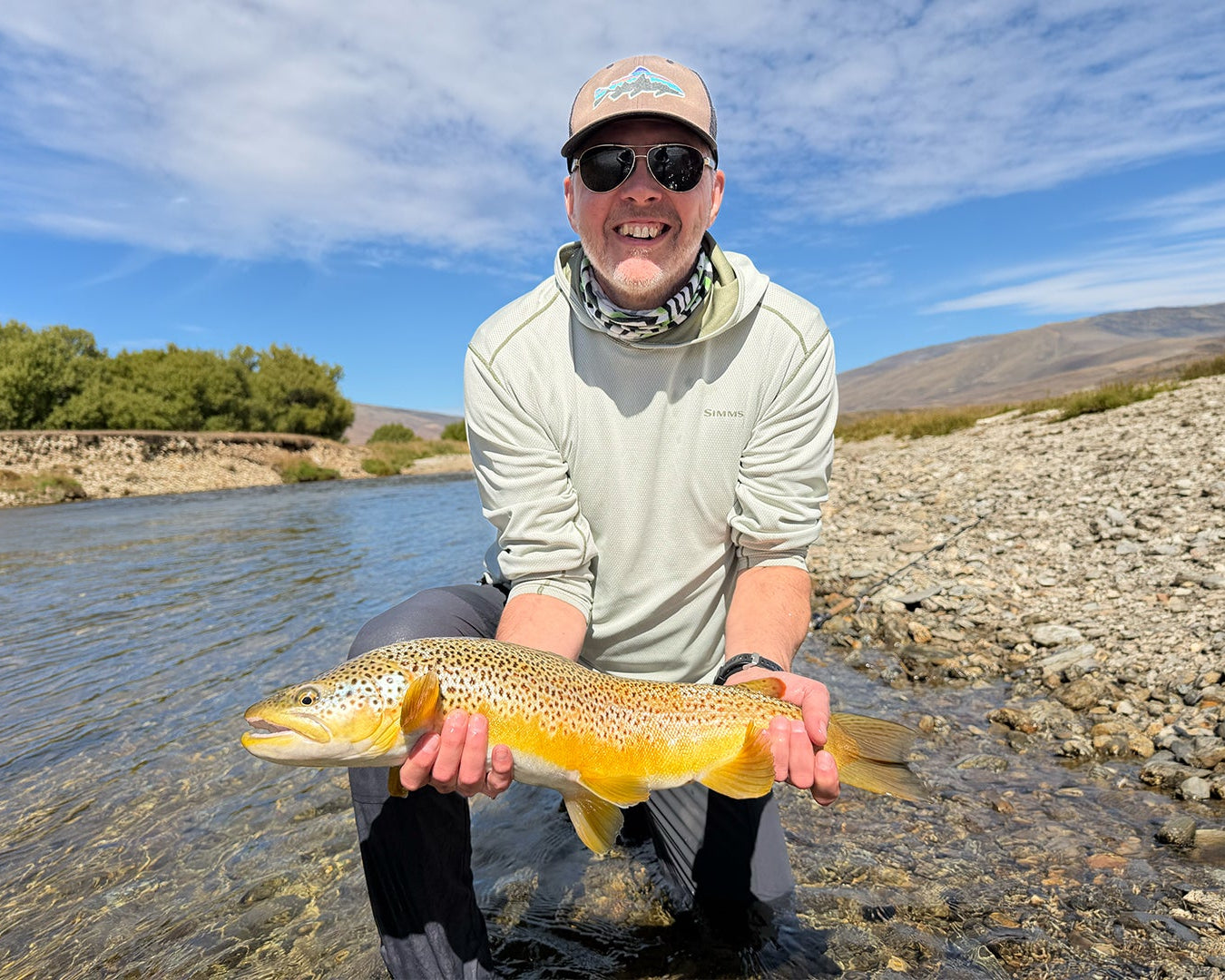
This is what Michel & Magnus appreciated the most
-

Dry fly fishing
Many of the best fish were caught. Seeing the fish first, planning the cast, and then getting it to rise made a strong impression. Visual fishing quickly became one of the highlights of the week.
-

The local guides
The guides played a major role in the success of the fishing. Each day was adapted to water levels, weather, and which rivers were fishing best at the time. Fly choices were largely handled by the guides on site, and choosing the right flies during hatches often made a big difference.
-

The settings on the South Island
The rivers wound through open valleys and mountains, with the scenery constantly changing around the next bend. The combination of the fishing and the surroundings meant that the days by the water became as much a nature experience as a fishing trip.


Small details that made a difference
After many hours on foot along the rivers, it also became clear that some things worked better than others. An unexpected favorite during the trip was tights and shorts, which proved to work very well during long days in varied terrain and fluctuating temperatures.
Before the trip, Michel and Magnus had also received packing tips from Outside Travels, where lighter layers, tights, and shorts were specifically recommended for fishing on the South Island. This quickly proved to be very good advice on location, especially on days where the temperature varied greatly between morning and afternoon.
It also served as another reminder of how much small details can affect the overall experience during a longer fishing trip, especially when much of the day is spent on foot along the water.
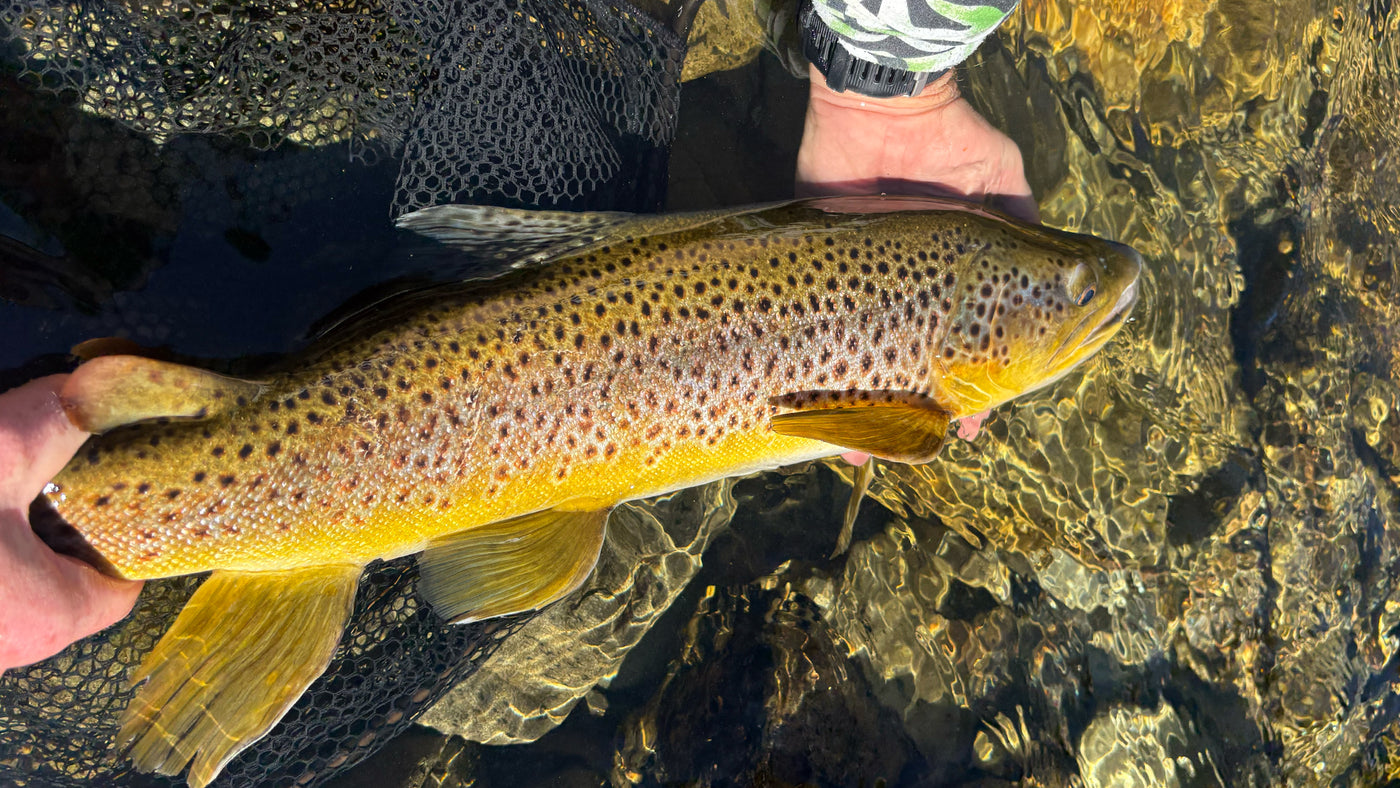
How did fishing work in New Zealand?
A large part of the fishing in New Zealand was about patience and reading the situations correctly. Unlike much other trout fishing, sight fishing was almost always the focus, where Michel and Magnus often saw the fish long before the cast was made.
This made the fishing very visual and technical at the same time. Often it was about spotting the fish in time, reading how it moved in the current, and then trying to place the fly correctly on the first attempt. In many situations, the presentation was more important than the casting distance itself.
– It was cool to actually see the fish before the cast. Sometimes they were completely exposed but at the same time incredibly selective, says Michel.
The guides also played a major role in how the fishing was organized from day to day. Every morning, the choice of water was adapted to the weather, water flow, and how the fishing had been in recent days. Some rivers fished better with dry flies, while others were better suited for nymphs or smaller streamers depending on the conditions.
The fly choices were largely handled by the local guides, and following their recommendations quickly proved to be the right way to go. Getting it right during the hatches often made a big difference, and many of the best fish were caught on dry flies.
For Michel and Magnus, it also became clear how much guide knowledge actually means in fishing like this. Knowing when to wait, when to move on, and how to present the fly at the right angle made a big difference during the week.
What made the biggest difference in fishing
-

Local guides who knew their waters
The guides adjusted each day's plan based on the weather, water levels, and which rivers were fishing best at the moment. They helped with everything from choosing water to understanding how the fish were moving and which flies worked best for the day. Following their recommendations quickly proved to be the right approach.
-

Dry fly and the right hatch
Many of the best fish were caught on dry flies. Getting it right during the hatches often made a big difference, and on some days it became clear how selective the fish could be. When everything came together – the right fly, the right drift, and the right presentation – visual strikes often followed, leaving a strong impression.



Do you want to know more about fly fishing in New Zealand?
Michel and Magnus travelled with our South Island setup, focusing on local guides, varied waters, and sight fishing for large brown and rainbow trout. Do you want to know more about how fishing works there, what's included, and which periods are usually best for travel? Read more about our fishing trip to New Zealand or contact us and we'll help you further.
Common questions about a fishing trip to New Zealand
When is the best time for fly fishing in New Zealand?
When is the best time for fly fishing in New Zealand?
The fishing season on the South Island normally runs from October to April. February and March usually offer good conditions for sight fishing and dry fly fishing, while water levels are often stable and the fishing varied.
<
What species of fish do you fish for in New Zealand?
What species of fish do you fish for in New Zealand?
The most common fishing is for wild brown trout and rainbow trout. Brown trout are often shy and selective, while rainbow trout usually put up a tough fight and have a lot of energy once hooked.
Do you need to be an experienced fly fisher to go to New Zealand?
Do you need to be an experienced fly fisher to go to New Zealand?
Some fly-fishing experience is helpful, but the fishing will be adapted to your skill level together with the local guides. If you are used to trout fishing and enjoy visual fishing, you will quickly get the hang of it.
What equipment is used for fly fishing in New Zealand?
What equipment is used for fly fishing in New Zealand?
Most waters are fished with rods in class 5–6, together with floating lines and longer leaders. Dry flies, nymphs, and smaller streamers are used depending on the water, hatches, and daily conditions.
How do the guides operate during the fishing trip?
How do the guides operate during the fishing trip?
You fish together with experienced local guides who adapt the choice of water to the weather, water levels, and how the fishing is at the moment. They also assist with fly selection, presentation, and tactical choices out on the water.